Tensions were high in the Middle East in February 2026, as Iran sought to expand its nuclear program beyond what was allowed in the 2015 Iran nuclear deal. All was quiet the night of Feb. 27. At 8:38 p.m. that night, however, something drastic changed. President Trump ordered the beginning of Operation Epic Fury, sparking the start of the 2026 Iran War. Israel and the U.S. promptly began targeted missile attacks on cities across Iran, dyeing the night sky orange and red with explosions and chaos. Tomahawk missiles launched from U.S. warships streaked across the sky as B-2 stealth bombers and B-1 Lancers made their way into the interior of Iran, bombing drone facilities, radar installations, and missile sites.
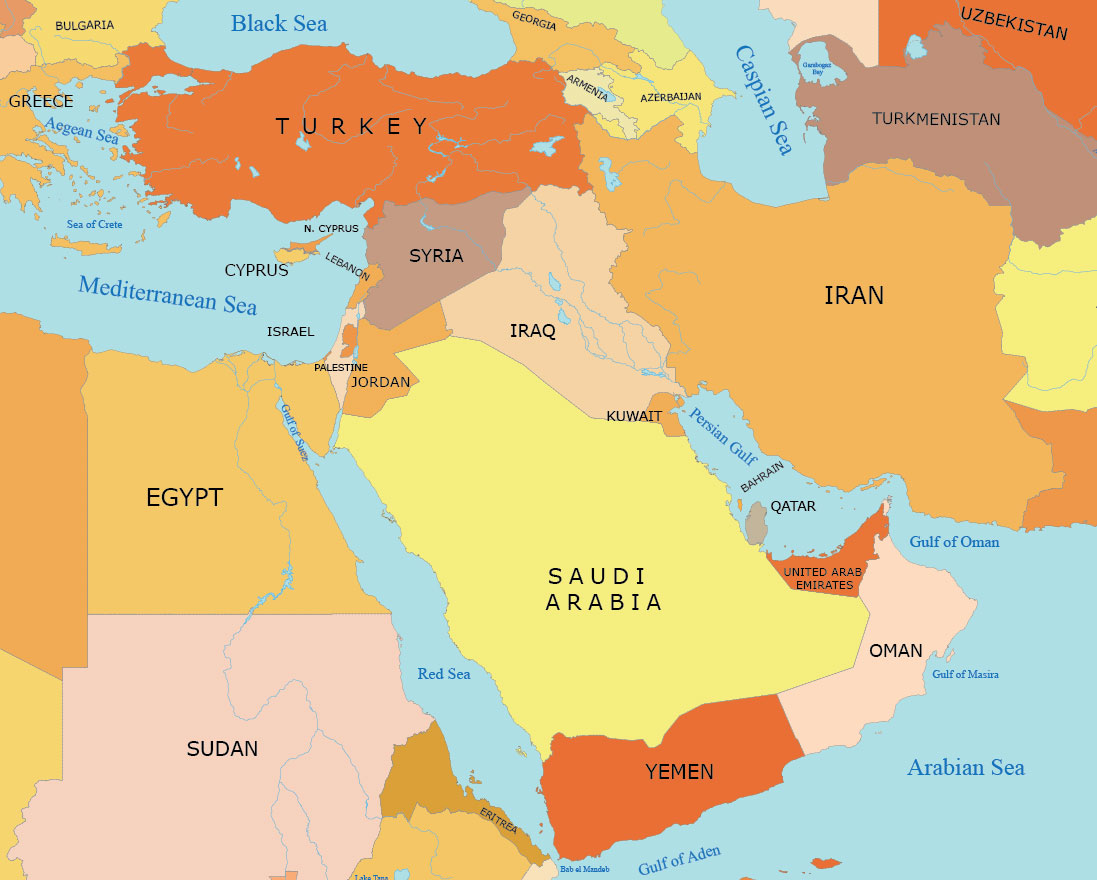
Eighty-six-year-old Ayatollah Ali Khamenei was reported dead on Feb. 28, pushing his son, Mojtaba Khamenei, to take up the role of supreme leader. Reports state that by March 1, at least 72 strikes had been conducted by the U.S. against Iran, ranging from military bases to civilian infrastructure. Iran responded by launching missiles across the Middle East, from Haifa and Tel Aviv in Israel to U.S. bases in Qatar and Kuwait. It then broadened its attacks to the United Arab Emirates, Bahrain, Jordan, and Saudi Arabia, sending barrages of missiles across Middle Eastern skies.
Iran closed the Strait of Hormuz, sparking anger from global leaders, especially President Trump, and pressure from other countries to reopen it. Gas prices worldwide skyrocketed as Iran tightened its hold on the strait, restricting oil passage and commercial travel. So far, 13 U.S. troops have been killed in the war, while more than 3,000 Iranians — civilian and military — have been killed. Controversy still surrounds the decisions of the American military to bomb several civilian sites, such as schools.
Perhaps the most remarkable story from this war is the rescue of a weapons system officer whose plane was shot down on April 3. The soldier struggled to bind his own wounds, avoid contact with hostile forces, and climb a 7,000-foot ridge. After evading Iranian capture, he communicated the message “God is good” to U.S. troops. The Iranian state had already set a bounty on his head, prompting both soldiers and civilians to search for him. The CIA then planned a deception in which it “let slip” that the soldier had been found and was being evacuated, confusing the Iranian military and allowing a secret force to locate and rescue him.
Using MQ-9 Reaper drones for protection, and after determining the man’s location, the U.S. sent military helicopters and aircraft to rescue him. Crews were forced to quickly establish a remote airstrip with limited landing space. On Easter morning, the weapons system officer was rescued and transported to safety in friendly territory. U.S. forces then destroyed two transport planes that could not be evacuated in time. No U.S. soldiers were wounded or killed during the rescue mission, demonstrating the bravery and coordination of the men and women in the military.
Controversy still surrounds the 2026 Iran War, with many questioning whether it is constitutional or can be considered a morally just war. Pope Leo recently said that all people of goodwill should “search for peace and not violence, to reject war — especially a war which many people have said is unjust, which is continuing to escalate and which is not resolving anything.” Despite ongoing questions about the war, the U.S. military has demonstrated proficiency in executing operations. However, the question remains: Is it worth putting the lives of innocent civilians at risk for the sake of accomplishing a good end? Do the benefits outweigh the risks?